

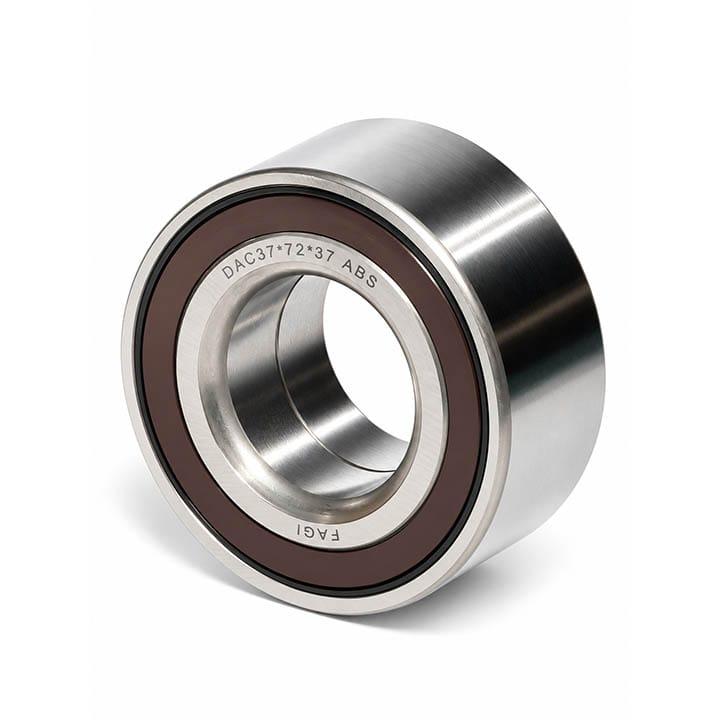
FAGI DAC 37-72-37 ABS Angular Contact Bearing
The FAGI DAC 37-72-37 ABS is a vital component of the automotive wheel assembly. It is located at the connection point between the wheel and the vehicle, ensuring smooth, friction-free rotation. As your vehicle moves, it encounters dynamic forces—weight, braking pressure, road impact, steering maneuvers, and acceleration. A wheel bearing must withstand these stresses while allowing the wheel to spin freely.
10022110079
Request a quote
Product Detail
FAGI DAC 37-72-37 ABS Automotive Angular Contact Wheel Bearing A reliable choice for smooth rotation, precise handling, and long-lasting wheel system performance
Suitable for automotive wheel hub assemblies and applications where precision, load capacity, and fluid performance are critical.
What is the FAGI DAC 37-72-37 ABS Bearing?
The FAGI DAC 37-72-37 ABS is a vital component of the automotive wheel assembly. It is located at the connection point between the wheel and the vehicle, ensuring smooth, friction-free rotation. As your vehicle moves, it encounters dynamic forces—weight, braking pressure, road impact, steering maneuvers, and acceleration. A wheel bearing must withstand these stresses while allowing the wheel to spin freely.
While a bearing may appear to be a simple, small part, its role in safety and ride comfort is paramount. A healthy wheel bearing ensures a smooth ride, reduces noise, and prevents unnecessary strain on other vehicle components. Conversely, a faulty bearing can cause humming noises, vibration, wheel play, and even a loss of vehicle control.
The DAC 37-72-37 model is specifically designed for automotive applications. Its structural design allows it to handle both the radial load (weight of the car) and axial loads (side forces from cornering). The integrated ABS feature makes it compatible with Anti-lock Braking Systems; however, compatibility should always be verified against the vehicle's specific technical requirements.
Understanding the DAC 37-72-37 Code
The code on the bearing is more than just a model number; it provides essential information about dimensions and construction. Recognizing these numbers helps prevent purchasing errors and ensures a proper fit.
- DAC: This prefix is commonly used for automotive wheel bearings. These are specifically designed for the hub assembly and differ in internal structure from standard industrial bearings.
- 37 (First Number): Represents the inner diameter (ID) of the bearing—approximately 37mm—where it mounts to the axle or hub shaft.
- 72 (Second Number): Represents the outer diameter (OD) of the bearing—approximately 72mm—which must fit precisely into the wheel hub.
- 37 (Third Number): Indicates the overall width/thickness of the bearing—approximately 37mm.
- ABS: This indicates that the bearing includes a magnetic encoder or ring required by the ABS sensor to detect wheel speed. The installation orientation is critical here.
Dimensions of FAGI DAC 37-72-37 ABS
When purchasing a wheel bearing, dimensions are non-negotiable. Even a few millimeters of difference can prevent proper installation or cause premature failure.
- Inner Diameter: 37 mm
- Outer Diameter: 72 mm
- Width: 37 mm
- Application: Automotive Wheel Hub with ABS support
Note: Before purchasing, please compare the dimensions and appearance of your old bearing with this model and verify your vehicle's technical specifications. Manufacturers sometimes use different bearings for the same car model across different production years.
What is "Angular Contact" and why is it important?
In standard bearings, forces are typically directed in one straight line. However, a car's wheel faces complex, multi-directional forces. When driving straight, the weight of the vehicle bears down on the wheel. When cornering, side forces are applied to the bearing. During braking, yet another set of forces is generated.
An angular contact bearing is engineered for exactly this. Its internal geometry allows it to handle both radial and axial loads simultaneously. Simply put, it isn't just made to spin; it’s made to handle the rigors of real-world driving.
This feature ensures vehicle stability and reduces strain on surrounding components. However, performance ultimately depends on the health of the hub, axle, seals, and—most importantly—the proper installation method.
Benefits of FAGI DAC 37-72-37 ABS
Smooth and Consistent Rotation
Precision engineering reduces friction, ensuring your wheels spin smoothly with minimal noise, enhancing overall ride comfort.
ABS System Compatibility
Integrated ABS ring allows for accurate wheel speed detection. When installed correctly, your anti-lock braking system functions optimally.
Multi-Load Support
The angular contact design effectively manages vehicle weight, road impact, and cornering forces.
Reduced Wheel Noise
A high-quality bearing eliminates the humming/whining sounds associated with failing bearings.
Superior Automotive Sealing
Comes with pre-filled grease and protective seals to resist dust, moisture, and road contaminants.
Replacement Ready
Designed as a direct replacement for worn-out bearings, provided the dimensions and specs match your vehicle.
Signs Your Wheel Bearing May Be Failing
Bearing failure rarely happens instantly. Usually, your vehicle provides warning signs. Paying attention to these early can prevent severe damage to your wheel hub and braking system.
- Humming or Whining Noise: Often increases with vehicle speed and may change pitch when turning.
- Vibration: Excessive vibration felt in the steering wheel or vehicle chassis.
- Wheel Looseness/Play: The wheel feels unstable when rocked by hand (with the vehicle jacked up).
- Abnormal Heat: The wheel area feels unusually hot after short trips.
- ABS Warning Light: Can occur due to a faulty magnetic ring, incorrect installation, or sensor issues.
- Uneven Tire Wear: While often suspension-related, it can sometimes be caused by a failed bearing.
Applications
This model is designed specifically for automotive wheel hub assemblies. Its exact placement depends on the vehicle make and model. Always check your service manual or part number before proceeding.
- Automotive Wheel Hubs: Ensures smooth rotation and structural support.
- Front/Rear Axles: Depending on the vehicle design.
- ABS-Equipped Vehicles: Supports sensor functionality.
- General Maintenance: Ideal for replacing bearings showing signs of wear or noise.
- Repair Shop Professional Use: Suitable for standard automotive maintenance services.
Installation Guide
Bearing installation requires precision. Forcing a bearing into place at an angle or applying pressure to the wrong part of the bearing race can cause internal damage that leads to premature failure.
1. Pre-Installation Check
Verify that the code, size, and shape match the old bearing exactly. Identify the side with the ABS encoder to prevent incorrect orientation.
2. Clean the Area
Clean the hub and axle thoroughly. Rust, dirt, or metal shavings will prevent the bearing from seating correctly.
3. Use Proper Tools
Use a press or appropriate bearing installation tools. Never hammer directly on the bearing, as this damages the races and the ABS seal.
4. Mind the ABS Orientation
The side containing the magnetic ABS encoder must face the sensor. Installing it backward will result in an ABS system error.
5. Final Inspection
After installation, the wheel should rotate freely without noise or binding. Perform a test drive to check the ABS functionality.
Maintenance Tips
Wheel bearings are generally "fit and forget" components, as they are pre-lubricated and sealed. However, your driving habits and general maintenance significantly impact their longevity.
- Avoid hitting deep potholes or road obstacles at high speeds.
- When washing the vehicle, avoid spraying high-pressure water directly at the wheel hub seals.
- Address any new, unusual wheel noises immediately.
- Ensure wheel nuts and hub bolts are torqued to manufacturer specifications. Over-tightening can cause damage.
- Have a mechanic check your bearing play/noise during routine tire rotations or brake jobs.
Why does ABS integration matter?
The Anti-lock Braking System (ABS) prevents wheel lock-up during hard braking. It needs to know the exact rotation speed of each wheel. It gets this data from the magnetic encoder (the ABS ring) embedded in the bearing.
If you install a non-ABS bearing in an ABS-equipped vehicle, the system will fail, triggering a warning light and disabling anti-lock functionality. Similarly, if installed backward, the sensor cannot read the speed, leading to the same issue. Always ensure you are buying the correct variation for your specific vehicle.
FAQ
1) Is this bearing compatible with all vehicles with 37x72x37 dimensions?
No. Compatibility depends not just on size, but also on structure, ABS configuration, and your vehicle's specific design. Please check your technical service manual or existing part number.
2) Which way should the ABS-equipped bearing be installed?
The side with the magnetic ring or encoder must face the ABS sensor. This side is often marked, but you should always compare it with the removed bearing.
3) Do I need to lubricate this bearing?
No. This bearing is pre-lubricated and sealed. Attempting to add grease or open the seal will introduce contaminants and shorten its lifespan.
4) What does a bad wheel bearing sound like?
It usually sounds like a humming, whining, or growling noise that increases with speed. Note that tire noise or brake issues can sound similar.
5) Do I need special tools to install this?
Yes, using a hydraulic press or proper bearing installation kit is highly recommended. Using a hammer or incorrect tools will likely damage the bearing or the ABS encoder.
Purchase FAGI DAC 37-72-37 ABS Bearing
For price inquiries, compatibility checks, and professional advice, please contact our experts at KGICO with your vehicle's specific details.
View & Shop at KGICO