

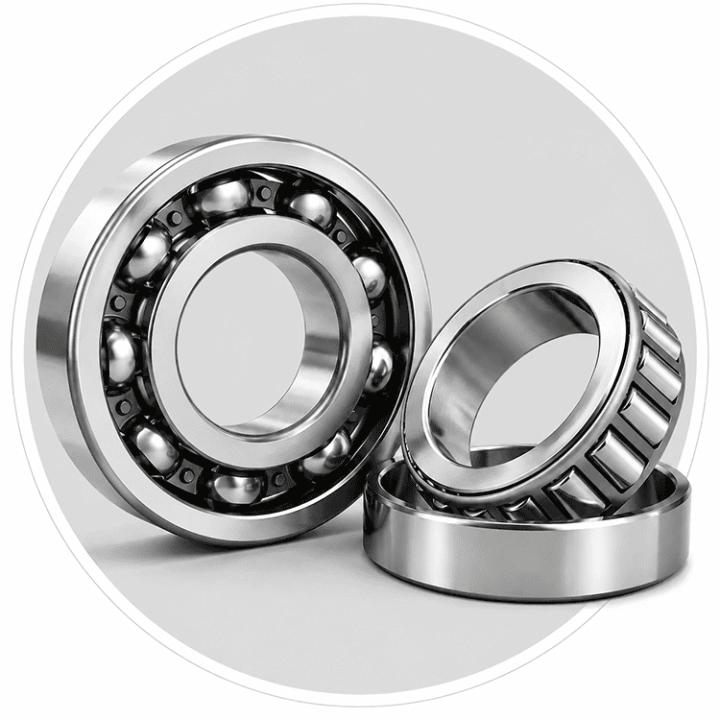
Bearings
In the mechanical and industrial world, wherever there is rotary motion, friction is the primary adversary of efficiency and component longevity. Rolling bearings are precision-engineered components developed specifically to counter this challenge. By converting sliding friction into rolling motion, they enable smooth shaft rotation with minimal energy dissipation and virtually zero surface wear.
categories
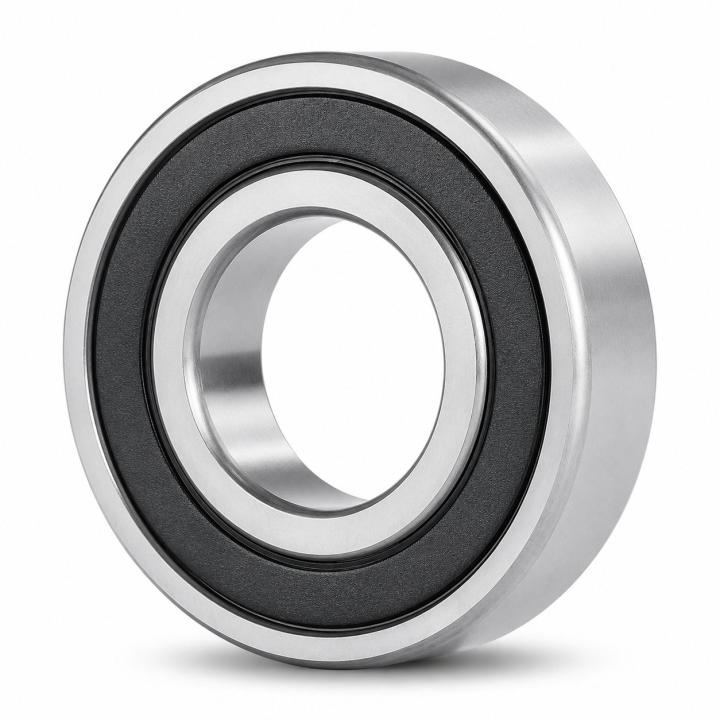
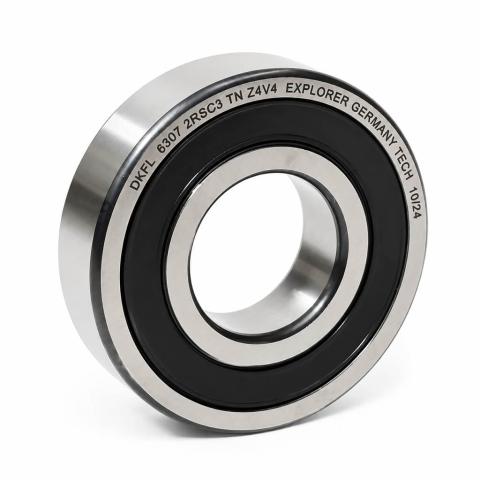
Deep Groove Ball Bearings
235 Items
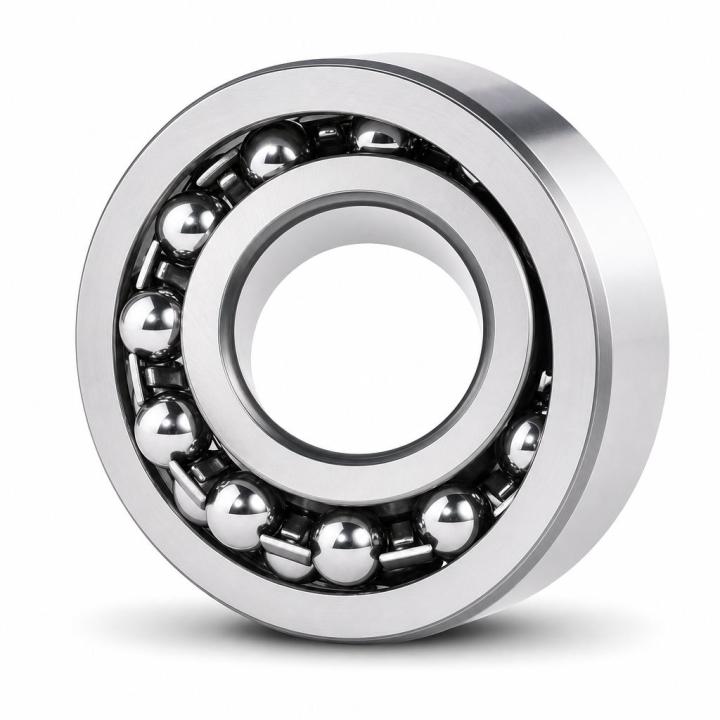
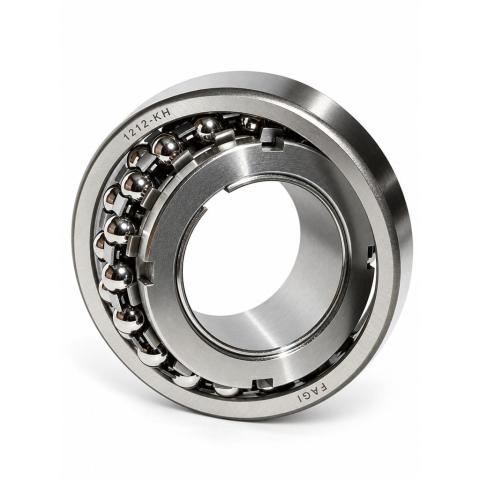
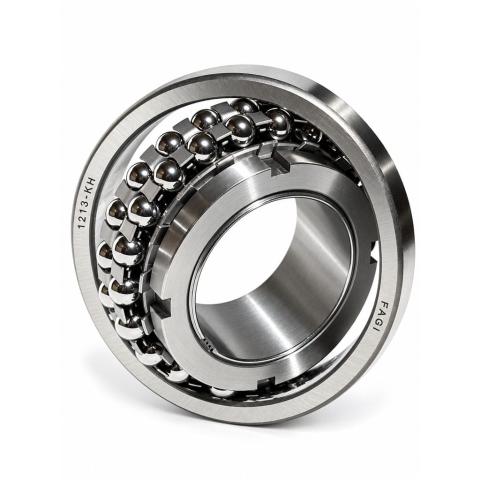
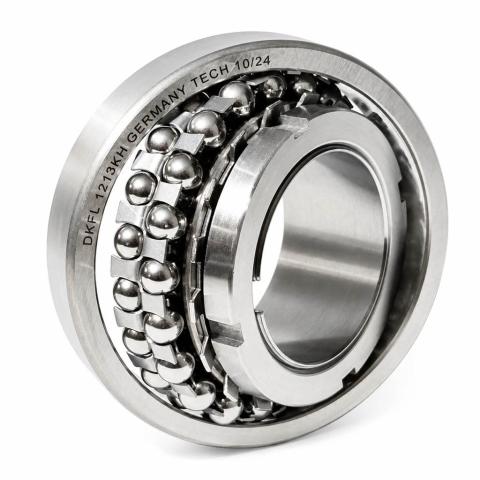
Self Aligning Ball Bearings
66 Items
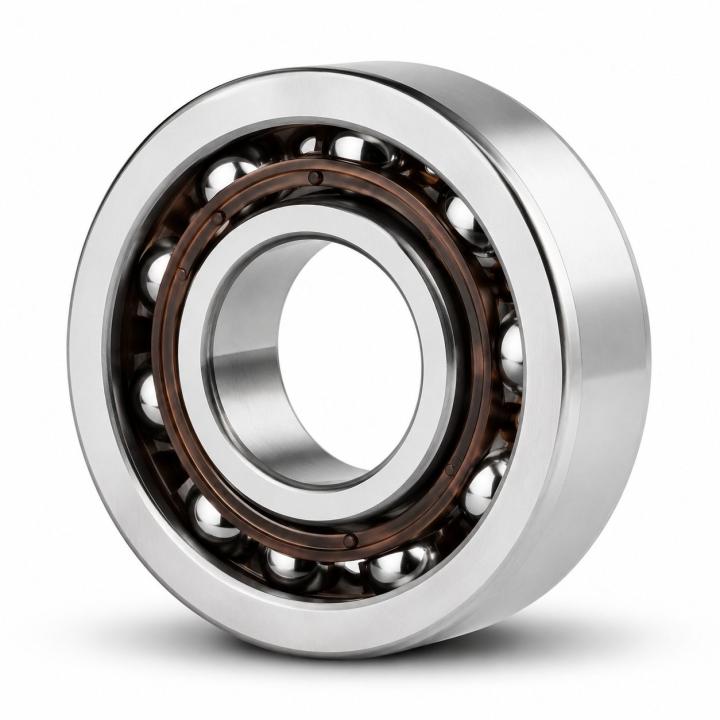
Angular Contact Ball Bearing
92 Items
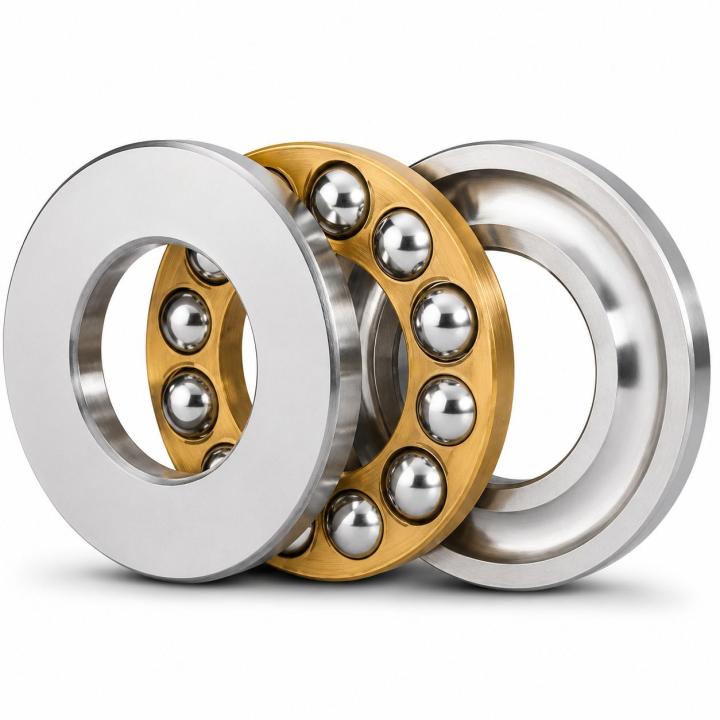
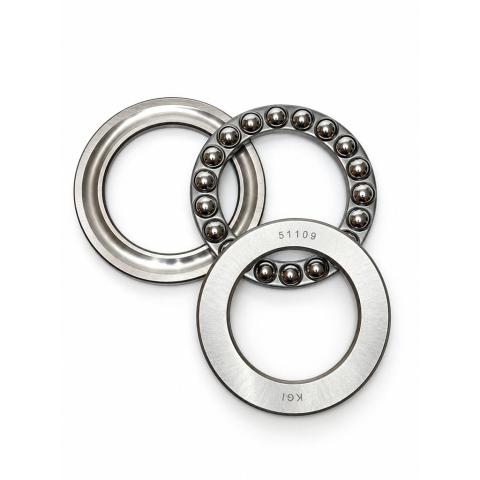
Thrust Ball Bearings
102 Items
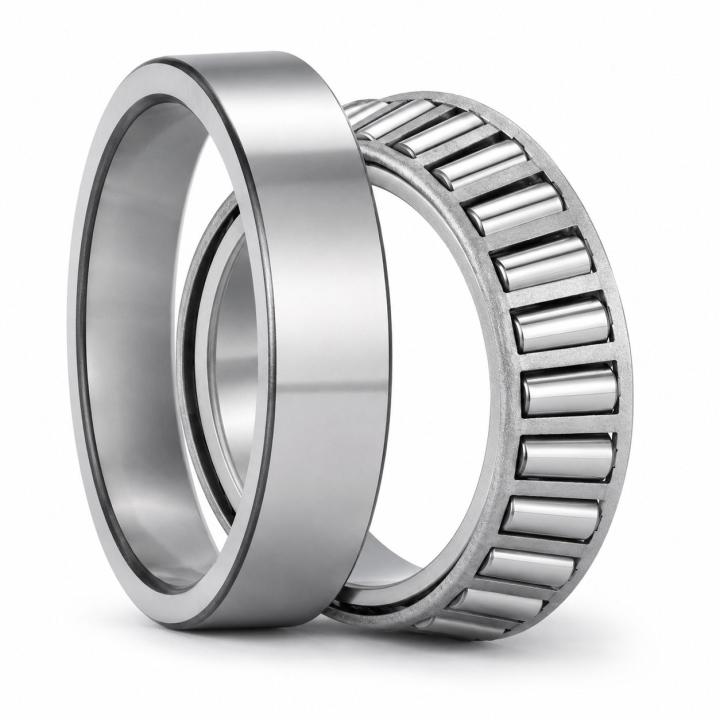
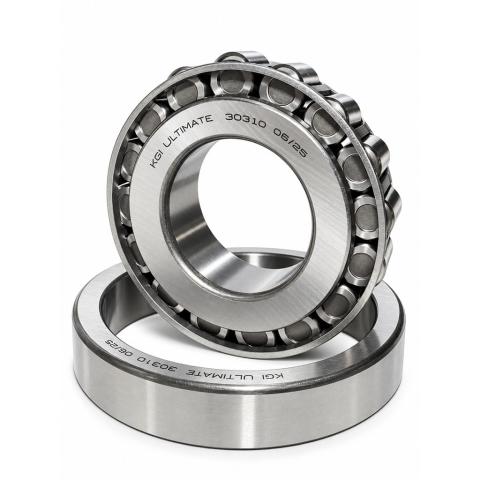
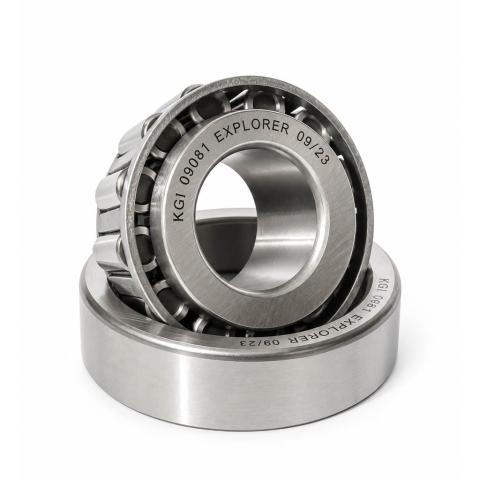
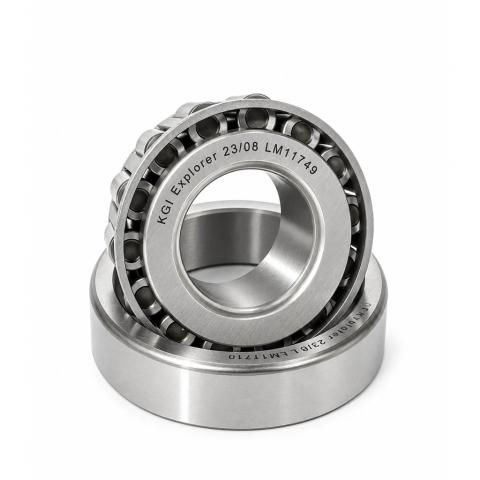
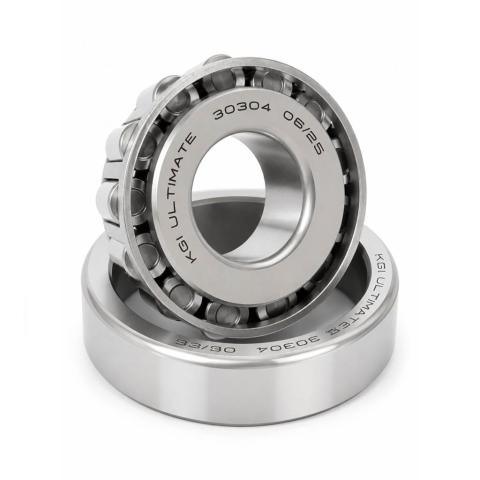
Tapered Roller Bearing
302 Items
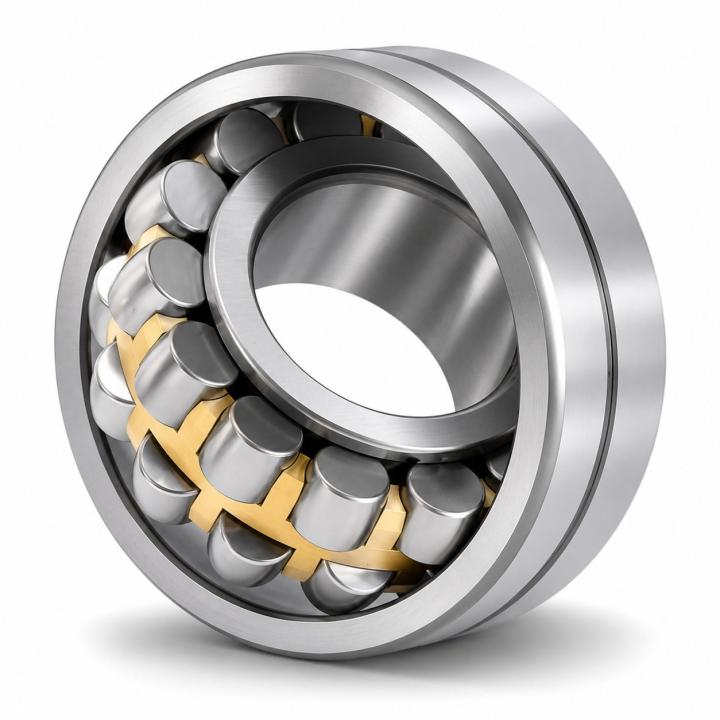
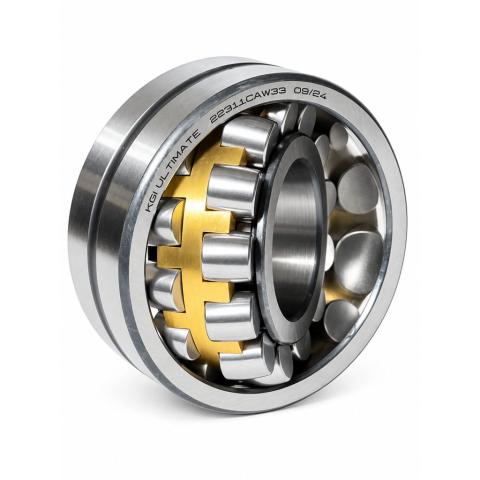
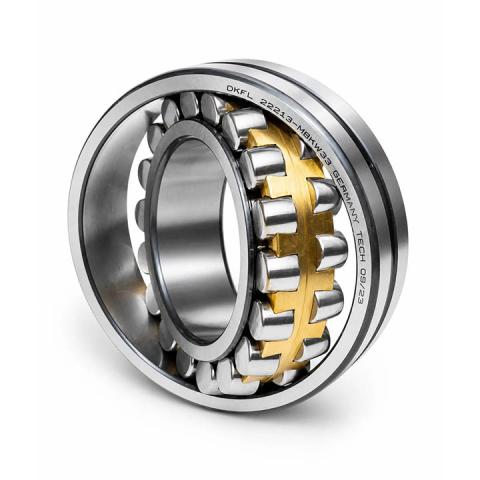
Spherical Roller Bearing
232 Items
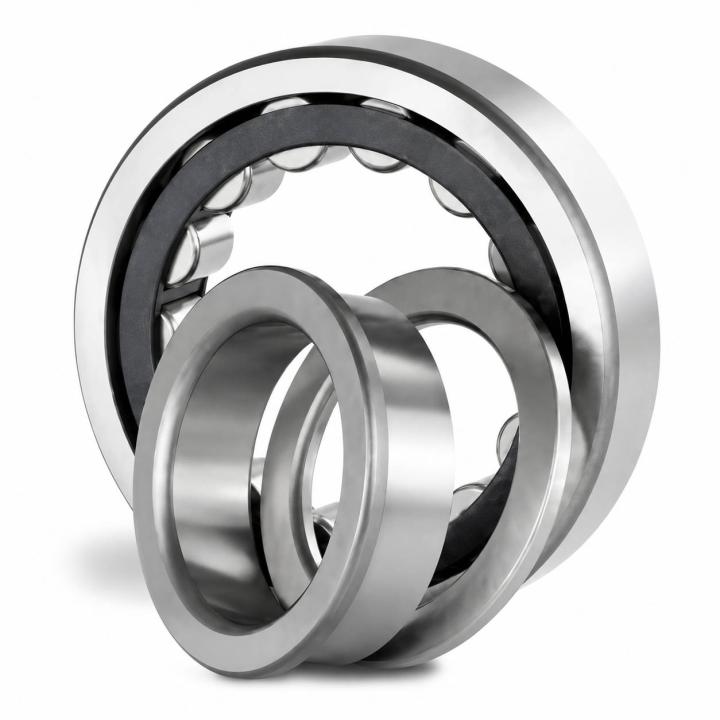
Cylindrical Roller Bearings
2 Items
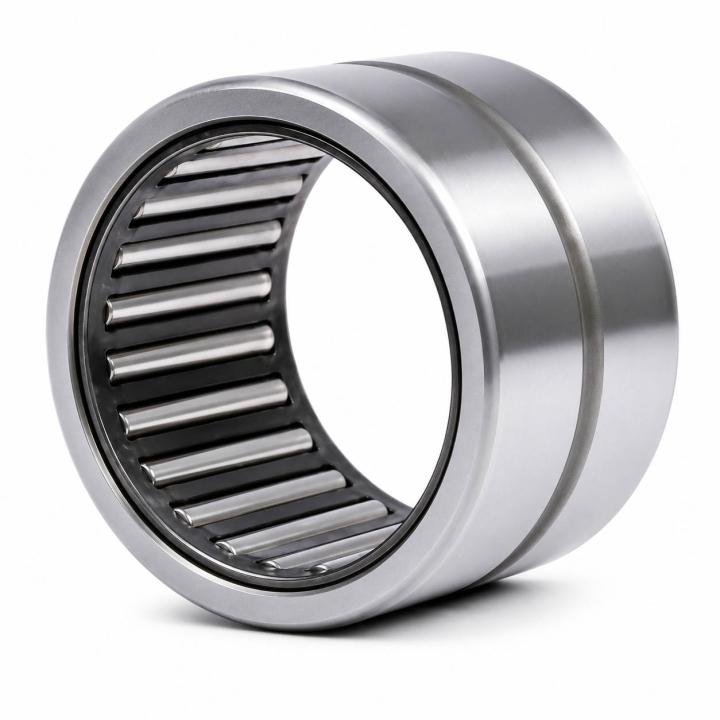
Needle Roller Bearing
16 Items
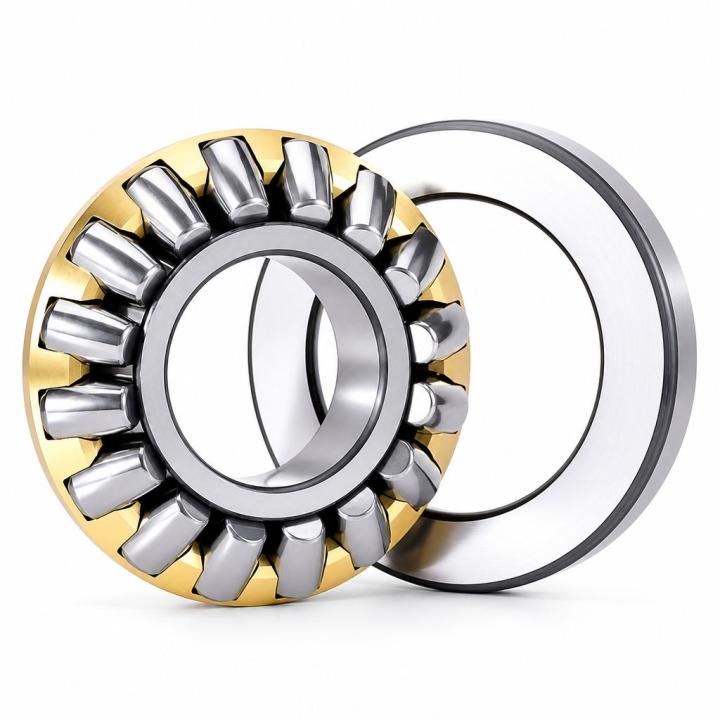
Spherical Roller Thrust Bearings
17 Items
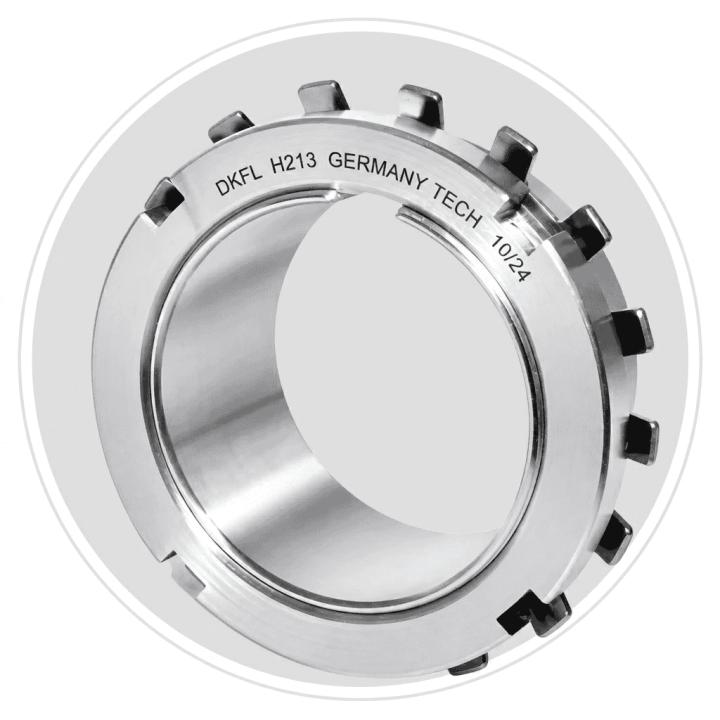
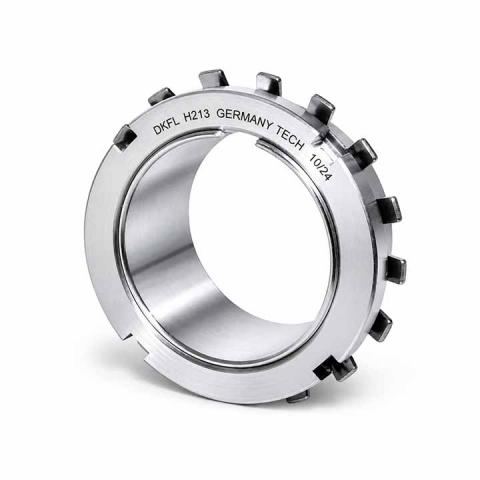
Adapter Sleeves
49 Items
Loading...
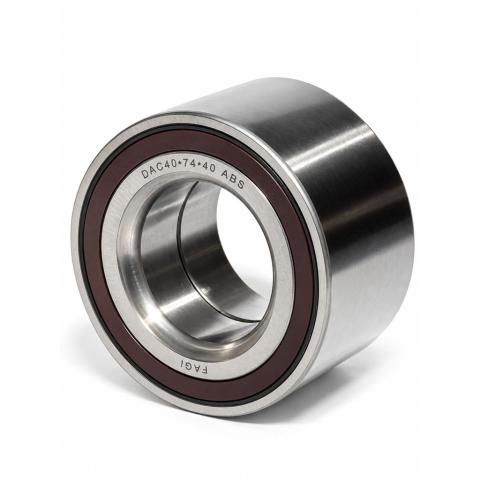

Industrial Bearings: Engineering Excellence & Complete Catalog
The heartbeat of rotating machinery — engineered for zero downtime and extreme performance
Why Bearings are the Backbone of Modern Machinery
In the mechanical and industrial world, wherever there is rotary motion, friction is the primary adversary of efficiency and component longevity. Rolling bearings are precision-engineered components developed specifically to counter this challenge. By converting sliding friction into rolling motion, they enable smooth shaft rotation with minimal energy dissipation and virtually zero surface wear.
From high-precision electric motors and gearboxes to heavy-duty steel rolling mills, crushers, and centrifugal pumps, continuous reliable operation hinges upon the right bearing selection. Choosing a premium, hardened alloy bearing is the decisive factor between seamless line throughput and costly unexpected downtime.
Core Bearing Families & Configurations
Bearings are categorized according to their rolling element geometry (spherical balls, cylindrical, or tapered rollers) and their primary load-carrying direction:
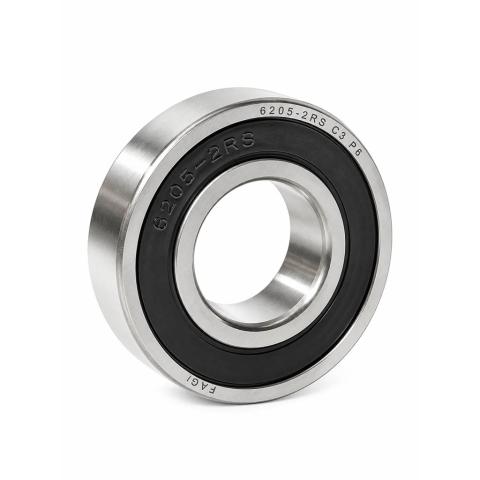
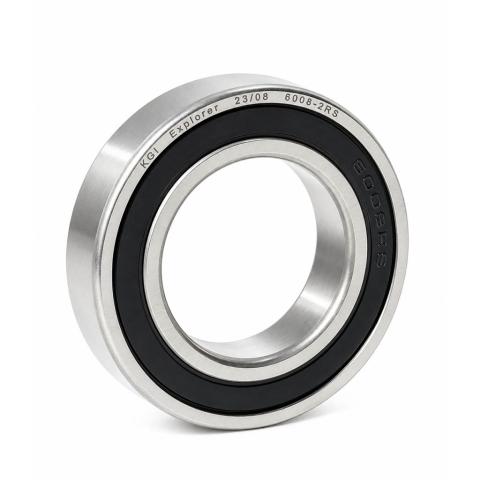
- Deep Groove Ball Bearings (6000 Series): The most versatile and widely deployed type. Ideal for high rotational speeds, supporting primary radial loads and moderate axial loads in both directions.
- Cylindrical & Spherical Roller Bearings: Built for exceptionally heavy radial shocks and harsh environments where shaft deflection or misalignment occurs (such as vibrating screens, crushers, and mining equipment).
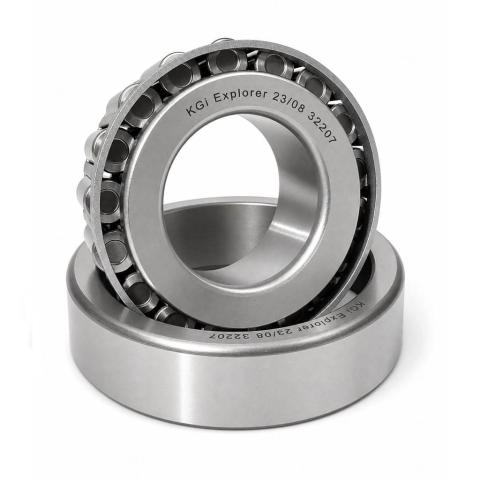
- Tapered Roller Bearings: Engineered to simultaneously support heavy combined loads (both radial and single-direction axial thrust) in wheel hubs, transmissions, and heavy gear drives.
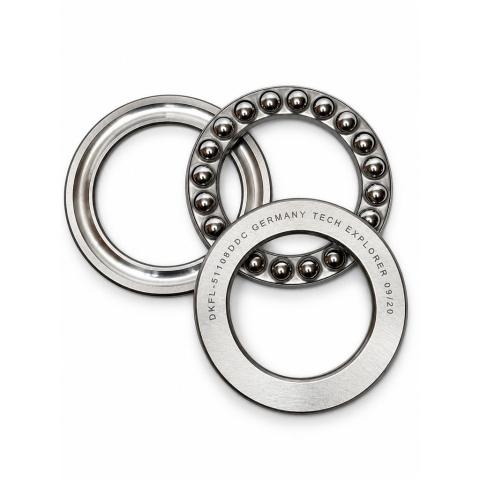
- Thrust Bearings (Ball & Roller): Dedicated vertical or axial load carriers designed exclusively for pure thrust forces in presses, crane hooks, jacks, and rotary tables.
- Angular Contact Ball Bearings: Engineered for high-speed, precision applications like machine tool spindles, handling substantial unidirectional axial loads with extreme rigidity.
Quick Bearing Selection Guide
| Bearing Type | Radial Load Capacity | Axial (Thrust) Load Capacity | Speed Rating |
|---|---|---|---|
| Deep Groove Ball Bearing | Moderate to High | Moderate | Very High |
| Cylindrical Roller Bearing | Very High / Shock Resistant | Negligible / Zero | Moderate to High |
| Tapered Roller Bearing | Extremely Heavy | Heavy (Unidirectional) | Moderate |
| Thrust Ball / Roller Bearing | Unsuitable (Zero) | Extremely Heavy (Axial Only) | Low to Moderate |
Quality Hallmarks: What Sets Premium Bearings Apart
A precision bearing guarantees operational safety and maximum service life. Key quality indicators include:
- High-Carbon Chromium Alloy Steel (100Cr6 / GCr15): Through-hardened raceways provide microscopic wear resistance and prevent plastic deformation under extreme cyclic fatigue.
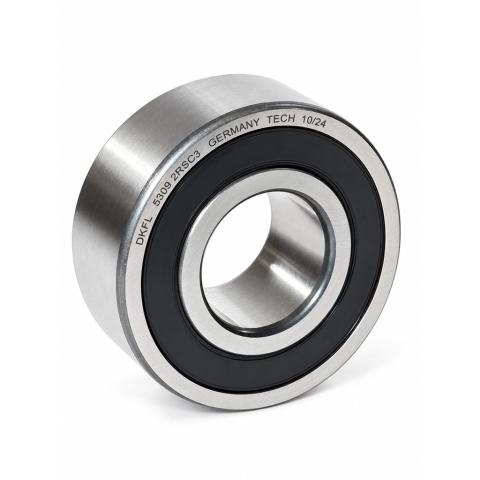
- Advanced Sealing Configurations (2RS / ZZ): Contact rubber seals (2RS) lock out moisture, slurry, and particulate contaminants, while non-contact metal shields (ZZ) deliver debris defense with zero frictional torque loss.
- Internal Clearance Classes (C3 / C4): Exacting internal radial clearance accommodates thermal expansion under sustained, heavy-duty operational cycles.
- Robust Cage Design: Pressed steel, machined brass, or fiberglass-reinforced polyamide cages ensure uniform roller spacing, optimal grease retention, and low vibration harmonics.
Industrial Applications Across Sectors
Our complete bearing catalog supplies critical drive and support points in diverse heavy and light industrial environments:
- Automation & Manufacturing: Electric motors, conveyor belts, robotic arms, and industrial fans.
- Mining, Steel & Cement: Ball mills, crushers, vibrating screens, and heavy casting rollers.
- Agriculture & Fluid Handling: Harvesters, tractors, centrifugal slurry pumps, and compressors.
- Heavy Vehicles & Construction: Wheel hubs, differential transmissions, and hydraulic pivot joints.
4 Golden Rules to Maximize Bearing Service Life
Industry field data shows that over 70% of premature bearing failures result from improper mounting or poor lubrication routines:
1. Use Proper Mounting Tools: Never hammer directly onto bearing rings or rolling elements. Always utilize induction heaters, mechanical pullers, or hydraulic installation sleeves.
2. Match Grease to Dynamic Conditions: Base oil viscosity and thickener type (e.g., lithium complex, polyurea) must correspond directly to operational RPMs, operating temperatures, and environmental washdown risks.
3. Maintain Rigid Shaft Alignment: Angular or parallel misalignment creates severe edge loading on raceways, triggering premature fatigue spalling and early cage failure.
4. Implement Condition Monitoring: Periodic vibration analysis and thermal imaging enable planned replacements before complete bearing seizure damages the host shaft.
Frequently Asked Questions
What is the primary difference between ZZ and 2RS bearings?
The 'ZZ' designation denotes dual metallic dust shields that minimize rotational friction at high speeds. The '2RS' designation features dual rubber contact seals providing airtight and watertight protection against moisture, slurry, and fine dust.
When is a C3 clearance bearing required?
C3 clearance bearings have greater internal radial slack than standard (Normal) bearings. They are mandatory in electric motors, high-speed gearboxes, and hot operating environments to compensate for thermal shaft expansion without binding.
How do I identify the exact replacement part number?
Measure the three standard dimensions: Inner Bore (d), Outer Diameter (D), and Width (B) using a digital caliper, or locate the alphanumeric code laser-etched onto the bearing ring face.
Direct Sourcing for High-Performance Industrial Bearings
Looking for guaranteed authentic bearings, competitive wholesale pricing, or technical sizing assistance? Explore our inventory and get your machinery running at peak performance.
Browse Bearing Inventory & Order Online