
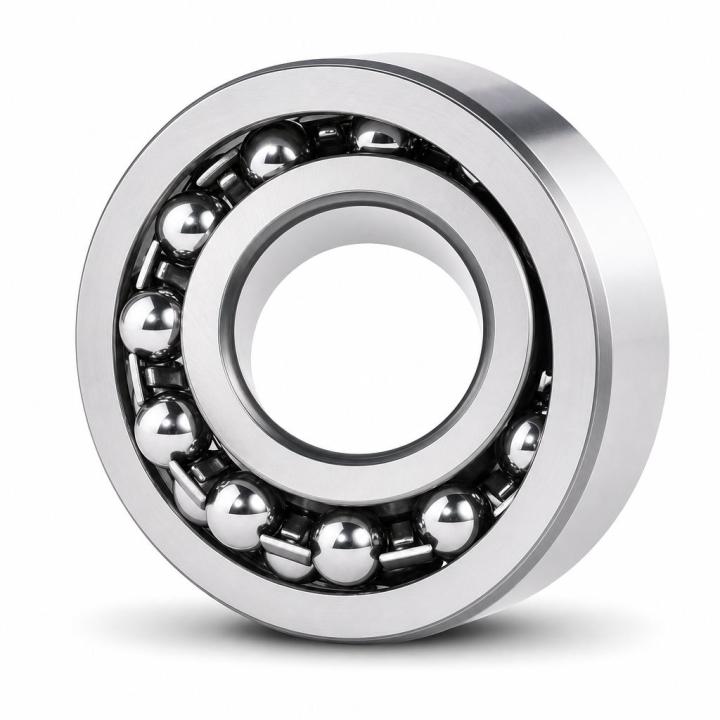
Self Aligning Ball Bearings
Self Aligning Ball Bearings
categories
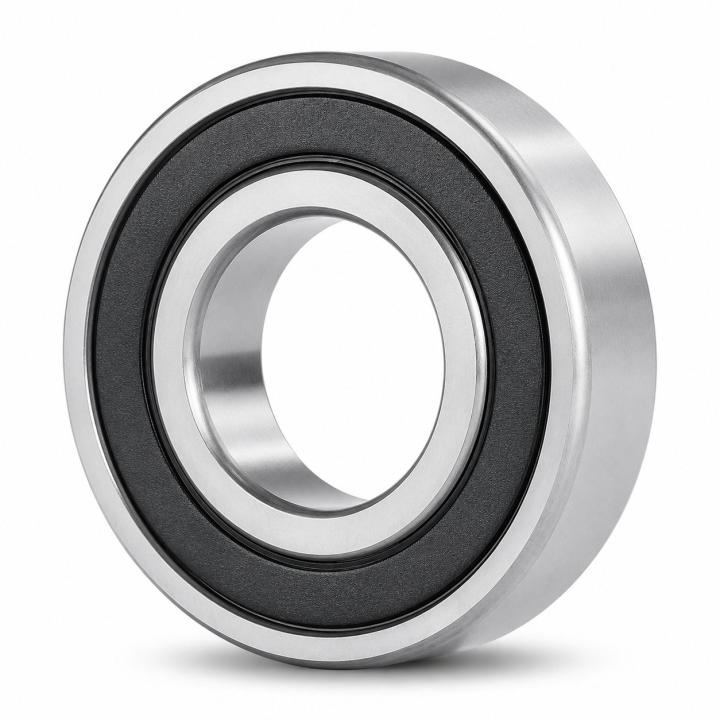
Deep Groove Ball Bearings
235 Items
Self Aligning Ball Bearings
66 Items
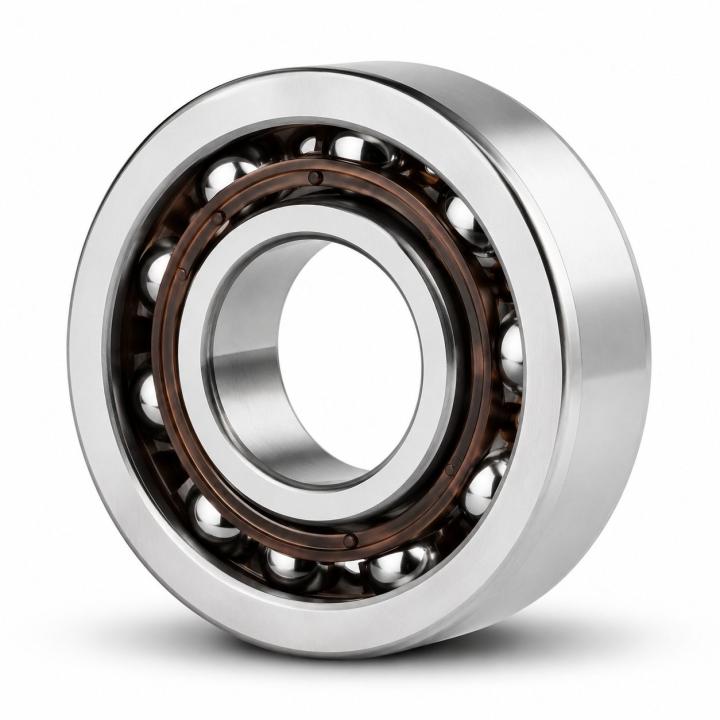
Angular Contact Ball Bearing
92 Items
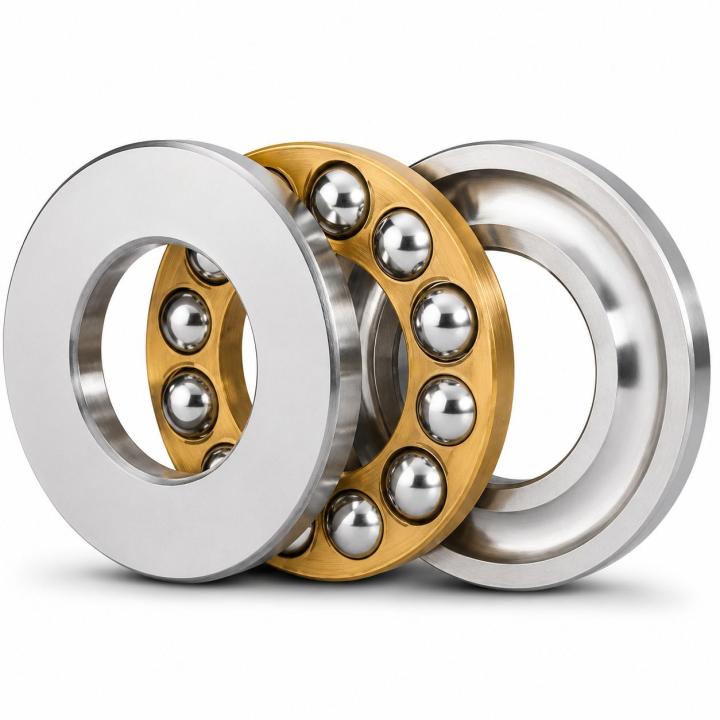
Thrust Ball Bearings
102 Items
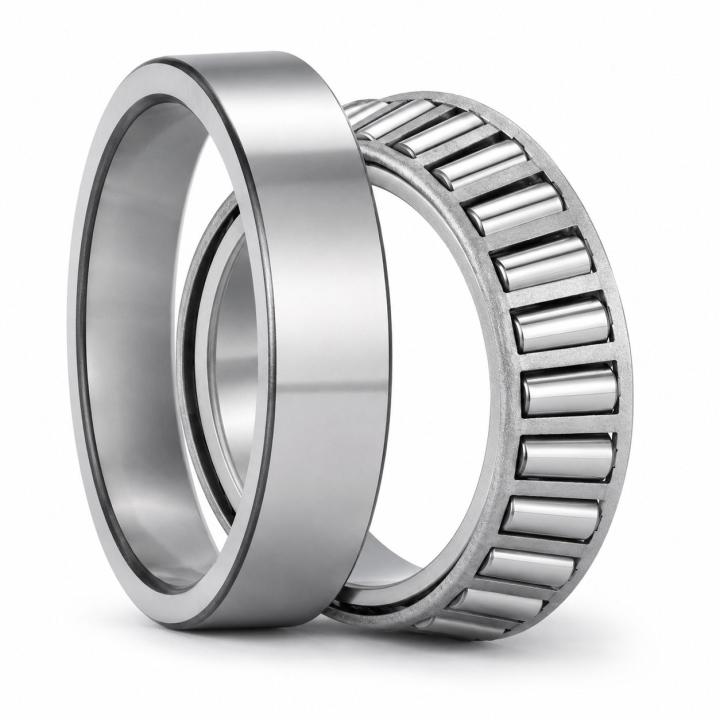
Tapered Roller Bearing
302 Items
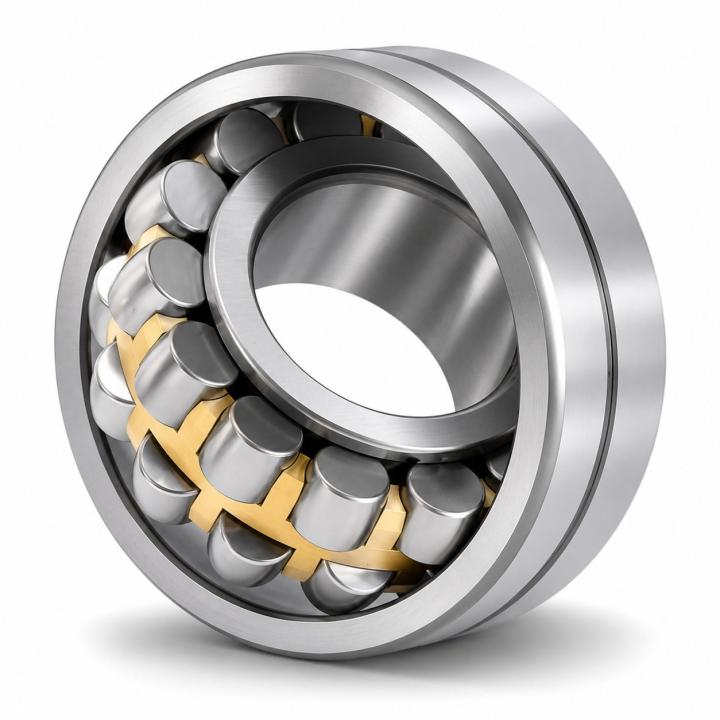
Spherical Roller Bearing
232 Items
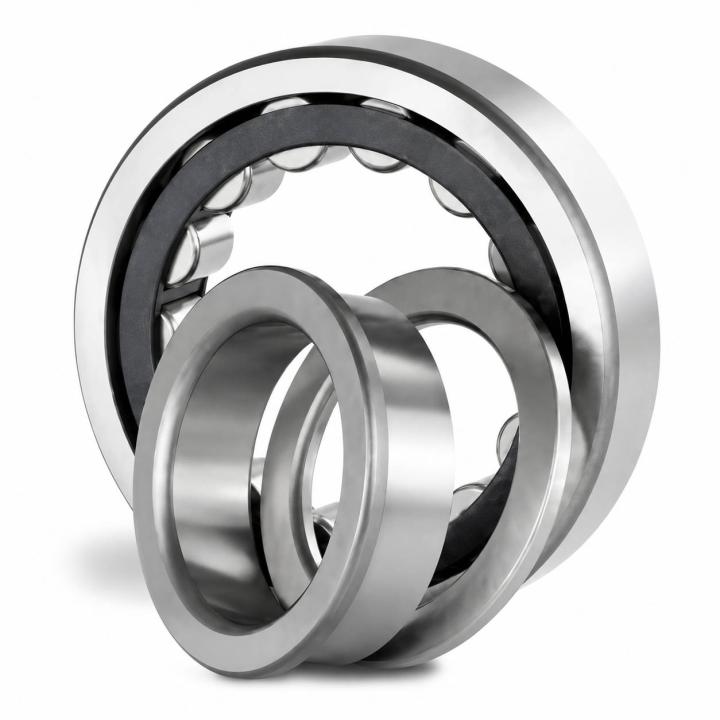
Cylindrical Roller Bearings
2 Items
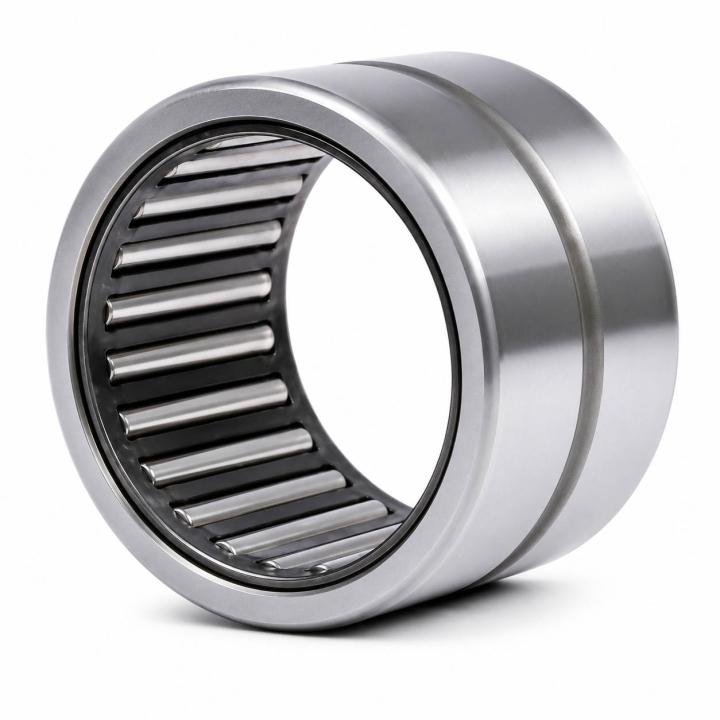
Needle Roller Bearing
16 Items
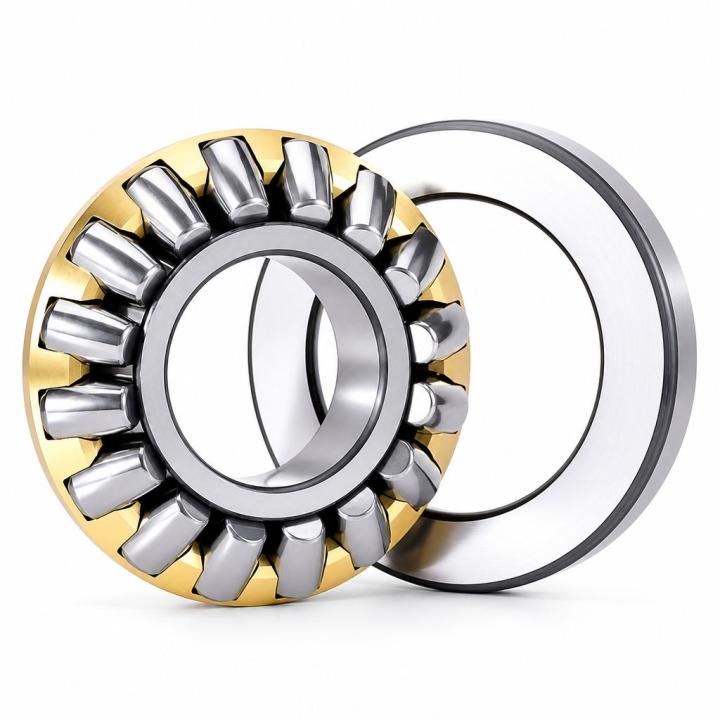
Spherical Roller Thrust Bearings
17 Items
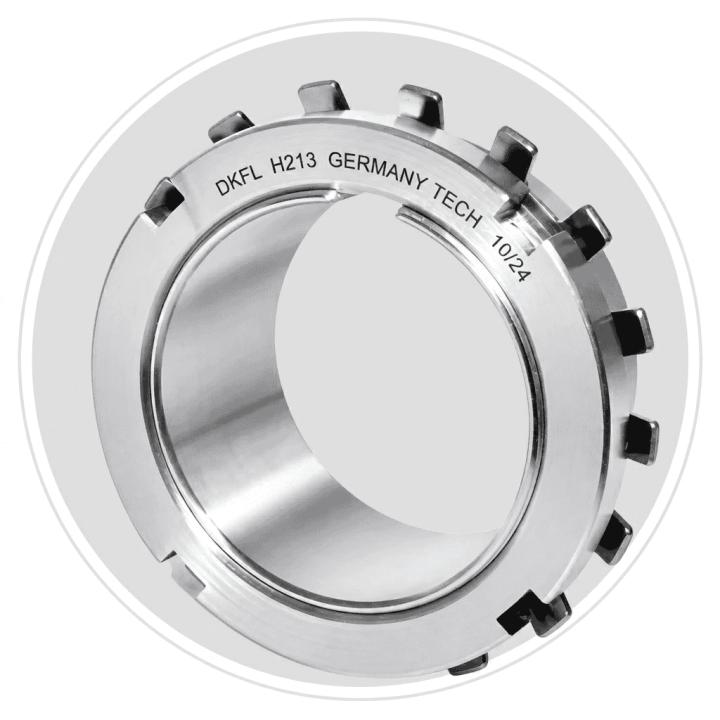
Adapter Sleeves
49 Items
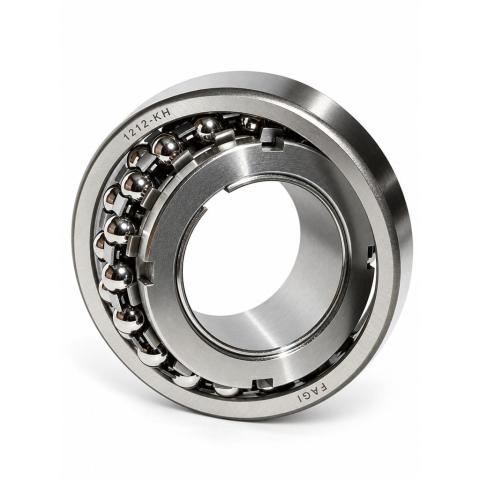
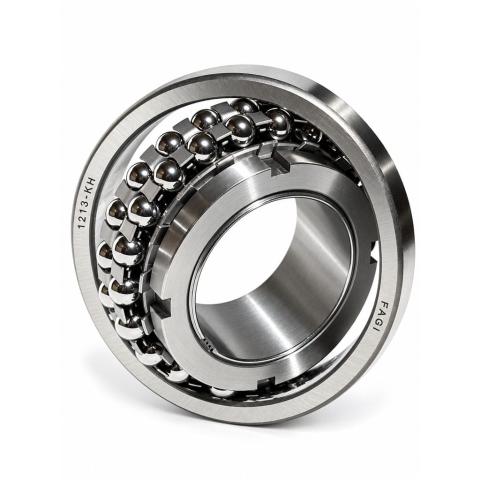
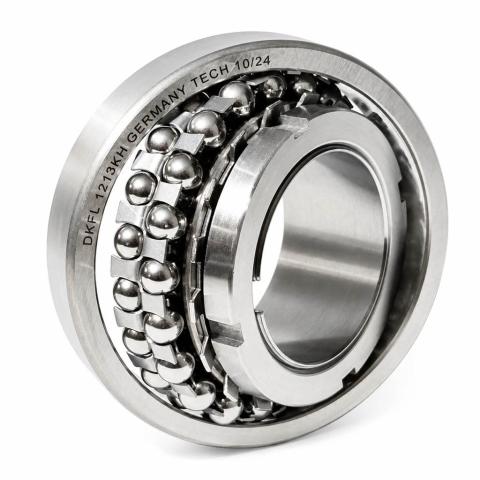
Engineering Guide to Self-Aligning Bearings: Accommodating Dynamic Shaft Misalignment
Self-Aligning Bearings are specialized mechanical solutions developed to address angular misalignment between the shaft and bearing housing. In demanding industrial drivetrains, structural deflection under load, mounting inaccuracies, and thermal expansion frequently induce axis deviation. Standard rigid bearings subject raceway edges to severe stress concentration under these conditions, whereas self-aligning assemblies accommodate dynamic angular movement internally without inducing detrimental edge stresses.
Engineered by Kamyar Gostar Iranian Industrial Group (DKFL), our portfolio covers both double-row spherical raceway ball units and heavy-duty spherical roller designs, providing precision alignment tolerance across broad operational envelopes.
1. Structural Architecture & Operating Kinematics
The defining characteristic of this family is the continuous spherical raceway ground directly into the inner surface of the outer ring. The curvature center coincides precisely with the geometric axis of the bearing assembly. Consequently:
- our portfolio covers both double-row spherical raceway ball units and heavy-duty spherical roller designs, providing precision alignment tolerance across broad operational envelopes.
1. Structural Architecture & Operating Kinematics
The defining characteristic of this family is the continuous spherical raceway ground directly into the inner surface of the outer ring. The curvature center coincides precisely with the geometric axis of the bearing assembly. Consequently:
- The inner ring, cage assembly, and rolling elements can pivot smoothly around the bearing center by 1.5° to 3° without generating edge loading.
- Frictional torque remains exceptionally low even under fluctuating shaft angles, preventing premature thermal degradation of the lubricant.
- Permissible shaft deflections do not disrupt rolling contact kinematics; border: 1px solid #ddd;">12XX, 13XX, 22XX, 23XX 222XX, 223XX, 230XX, 240XX Rolling Element Geometry Dual-row Precision Balls Symmetrical Spheroid/Barrel Rollers Contact Pattern Point Contact (Lowest friction) Modified Line Contact (High load distribution) Radial Load Capacity Light to Moderate Extremely High (Shock load resistant) Limiting Speed Rating High to Very High Moderate to High Typical Applications Textile machines, precision conveyors, wood processing Crushers, vibrating screens, continuous casters, marine winches
3. Bore Types: Cylindrical vs. Tapered (Adapter Sleeves)
DKFL supplies self-aligning bearings with two distinct shaft mounting configurations:
- Cylindrical Bore: Installed with standard interference fit directly onto precision-ground shaft steps.
- Tapered Bore (Suffix 'K', 1:12 or 1:30 taper): Mounted on plain or stepped shafts using adapter sleeves (H series) or withdrawal sleeves (AH series). This configuration enables precise internal clearance adjustment (C3 / C4 reduction) and simplified field disassembly.
4. DKFL Engineering Standards & Maintenance Protocol
All DKFL self-aligning units are manufactured from ultra-pure, vacuum-degassed GCr15 / 100Cr6 bearing steel with dimensional stability heat-treated up to +150°C. For heavy vibration environments (such as vibrating screens and compactors), machined solid brass cages (suffix MB/CA) are recommended over standard stamped steel cages to resist fatigue fracture.
Lubrication Practice: Ensure relubrication intervals account for dynamic deflection angles. When utilizing the outer ring relubrication groove and lubrication holes (standard W33 feature), premium lithium-complex grease formulated with extreme-pressure (EP) additives must be purged periodically to clear particulate buildup.